Building What Lasts at the Coast: Q&A with Coastal Engineering Lead Kazi Sadid
How is coastal engineering a symphony of engineering design and the natural environment?
Where weather, water and environmental systems collide, long-term solutions require more than isolated fixes. They depend on integrated, forward-thinking design.
Halff’s Coastal Engineering Lead Kazi Sadid shares with us how Halff is both approaching and investing in coastal engineering, as the need for building resilient communities on our coasts is only increasing.
Why is coastal engineering becoming increasingly important today? And why is it important to Halff?
Shifting weather patterns, more frequent extreme weather events and rising sea levels are exposing coastal communities to greater risk of flooding, amongst erosion and infrastructure damage. Despite these risks, coastal areas continue to experience an influx of new residents. Economic opportunities and recreation continue to act as a magnet attracting growth. This makes coastal engineering more important than ever for building resilient infrastructure near the shore.
Ports, energy facilities and transportation networks along the coast need strong designs to handle storm surges and those long-term condition changes. Coastal engineering does just that, and more. It’s also what helps restore biodiverse ecosystems like wetlands and mangroves, naturally protecting against floods.
As coastal risks intensify, our clients and communities need partners who can anticipate change, integrate complex systems and deliver solutions that endure.
Halff brings a proactive, multidisciplinary approach that connects our deep experience in watershed planning and stormwater management. This is a key extension of protecting coastal communities’ infrastructure. Together, this advances our commitment to nature‑based solutions and environmental stewardship while expanding our impact along the Gulf Coast and beyond. Here, our coastal, civil and water resources expertise is helping shape more resilient, sustainable futures.
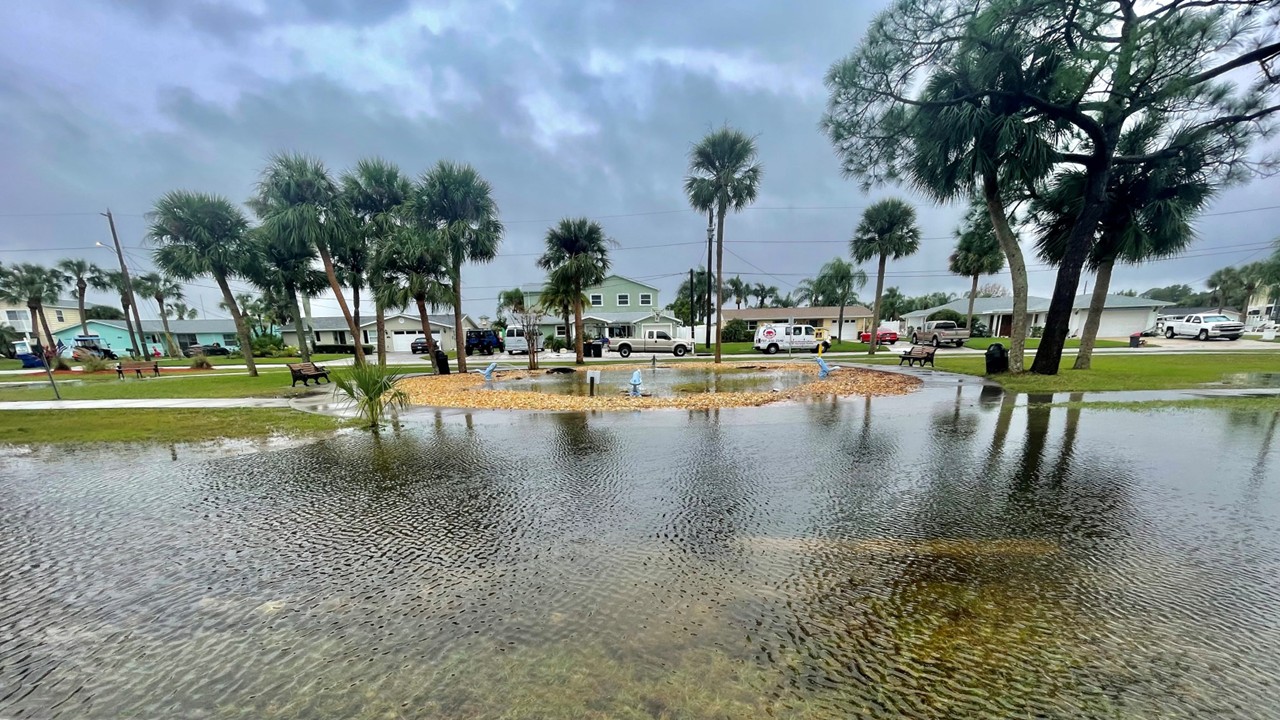 Storm surge often occurs before hurricanes or tropical storms, posing a dangerous threat to miles of coastline communities.
Looking at near-term challenges (e.g. erosion, storm surge, compound flooding, sea level rise), which ones are most pressing for our clients today? What regions do we service?
Right now, the biggest challenge for coastal communities is flooding from storm surge, which is often made worse by tropical storms, heavy rain and high river flows. Sea level rise has made flooding more common, so even king tides and regular high tides can disrupt daily life and damage infrastructure.
Reducing these flood risks is a top priority for our clients. To do this, it’s essential to have a coastal management strategy that uses several layers of defense. This means combining engineered structures like surge barriers, levees and shoreline protection with restoration projects and nature-based solutions, such as restoring beaches, dunes and wetlands.
These steps help guide floodwaters, attenuate their energy and lower the risk of damage to important infrastructure.
Our coastal team has extensive experience with tangential services that support coastal engineering. From river and coastal hydrodynamics, natural hazard mitigation, sediment transport modeling and compound flood analysis, to designing coastal restoration projects, Halff’s professionals are very strong in these foundational capabilities.
Our engineering and design solutions apply to projects of all sizes, using both natural and engineered methods to make sure they last. Halff works along the entire United States coastline—this spans Texas through Louisiana and Florida. We have also supported FEMA and USACE on a number of coastal engineering projects across the country.
What’s unique about Halff’s approach to balancing infrastructure protection with ecological health?
Coastal engineering doesn’t stop with the technical aspects. Halff’s coastal engineering team is also focused on promoting community resilience and environmental stewardship by integrating engineering with natural systems.
Nature-based solutions such as beaches, dunes, living shorelines and marshes created alongside hydraulic structures optimize coastal protection. They also support long-term ecosystem resilience.
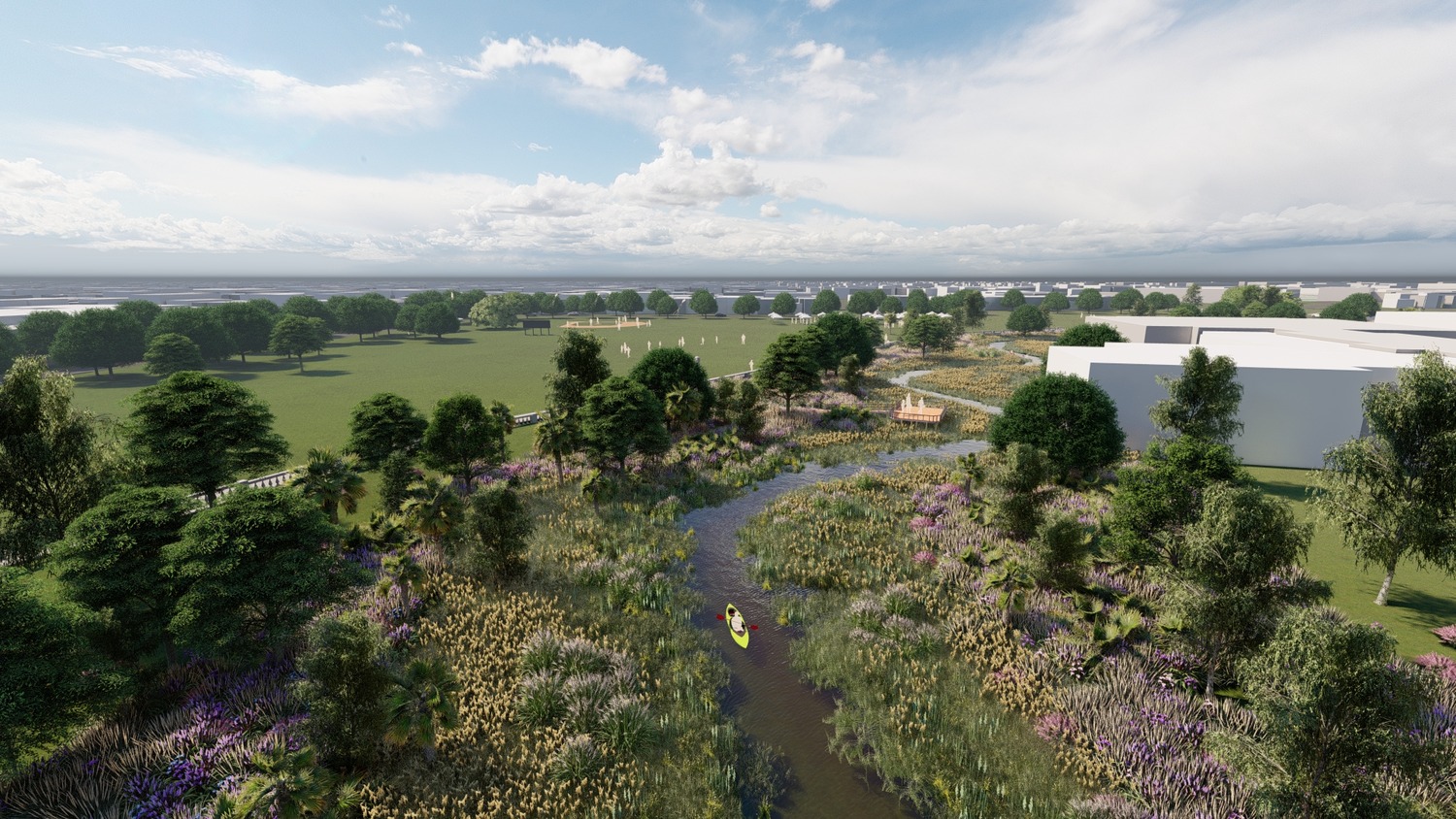 Marsh creation, shown in this rendering of Halff’s Hogans Creek project, serve as excellent nature-based solutions with multiple purposes—function and beauty.
What types of projects are your favorite to work on?
There are so many interesting projects in coastal engineering that it’s hard to pick a favorite!
I really enjoy working with coastal communities to help them build resilience against flooding and find ways to drain flood waters quickly and easily. I also like working on navigation and dredging projects, since these are essential for keeping ports open for trade and commerce. Most of all, I think it’s important to take an integrated approach to managing coastal and water resources. This not only protects communities from flooding but also helps the local economy and creates more recreational spaces for people like me who love spending time by the water.
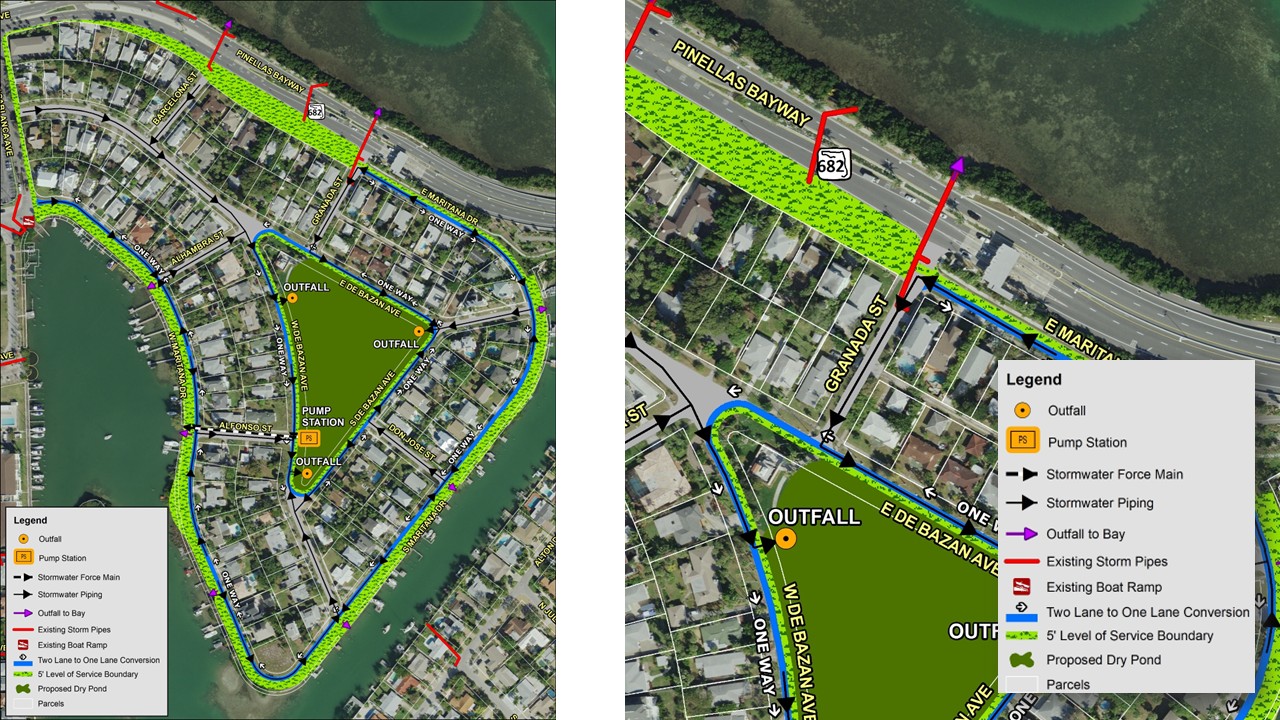 Pictured above is one part of Halff’s resiliency plan for the Don Cesar neighborhood along St. Pete Beach, Florida. This is the lowest-lying area in the city, making it highly prone to flooding.
What main challenges do we encounter when planning and studying coastal resilience and design projects in coastal areas?
Challenges vary by project due to differences in geographic location, the complexity of coastal and fluvial interactions, data availability, institutional frameworks, policy priorities and more. However, a common challenge recognized by all is the uncertainty in climate projections and design parameters.
Projecting sea level rise, subsidence, extreme weather patterns (e.g., increased rainfall and storm intensity), shoreline dynamics and coastal erosion involves significant uncertainty over multi-decadal timescales.
To address this, we adopt adaptive design strategies rather than relying on static solutions. We emphasize robust data collection, modeling and monitoring to improve our understanding of current conditions. This provides more reliable forecasts.
Another significant challenge is balancing hard engineering solutions with nature-based approaches. While traditional defenses such as levees and seawalls offer immediate protection, nature-based features offer sustainable alternatives with potential for ecosystem restoration. However, these require ongoing performance monitoring and may not fully mitigate risk, so they are often integrated with hard protection measures.
Many of these challenges can be addressed by coastal engineering that serves both environmental and social objectives through meaningful community involvement, transparent communication of hazards, and integrating local values into planning and design. Additionally, both existing and emerging technologies, including numerical and physical modeling, AI and machine learning-driven modeling, autonomous surveying systems, and real-time monitoring and forecasting, all offer significant potential to enhance the efficiency and accuracy of coastal engineering services.
Summary
Coastal engineering is one of the many ways Halff delivers resilient, full-service infrastructure solutions. Pulling together our experience in water resources, nature-based solutions and civil engineering systems, we create coastal solutions that are deliberate and coordinated.
The outcome is communities that are better prepared and safeguarded, designed with foresight. Because it’s all about building what lasts on the coast.
About the Firm
Halff is an award-winning, employee-owned full-service infrastructure consulting firm with more than 75 years of expertise. Established in 1950 by Dr. Albert H. Halff, the firm continues to advance his vision of creating resilient communities through thoughtful design and technical excellence.
Today, Halff operates from more than 30 offices across Arizona, Arkansas, Florida, Georgia, Louisiana, Oklahoma and Texas. Our firm works together to provide comprehensive services from our Mobility, Places and Communities, and Water and Environment solutions. Our professionals remain committed to delivering smart solutions that improve lives and communities by turning ideas into reality.
Recent Stories
Halff’s Andrew Smith Selected for ACEC Georgia Future Leaders Program
ATLANTA, Ga. — Halff Senior Transportation Planner Andrew Smith, AICP, RSP1, has been selected for the American Council of Engineering…
SAME Pacific Industry Forum | Sep. 15 – 17, 2026
Come see Halff at the SAME Pacific Industry Forum taking place Sept. 15 – 17, 2026, in Honolulu, HI. Event:…